The prohibition of torture is absolute. It is one of the most fundamental principles of international human rights law- OSCE Supplementary Human Dimension Meeting of 2026
On Monday, 29 June 2026, the third OSCE Supplementary Human Dimension Meeting of 2026 was held in Vienna, focusing on the prevention of torture and ill-treatment. The meeting was organized by the Swiss OSCE Chairpersonship, with the support of the OSCE Office for Democratic Institutions and Human Rights (ODIHR), highlighting the need to strengthen cooperation for the effective implementation of the Organization’s relevant commitments.
Approximately 350 representatives of OSCE participating States, international organizations, national human rights institutions, monitoring mechanisms, as well as legal professionals, healthcare practitioners, and civil society organizations took part in the two-day meeting.
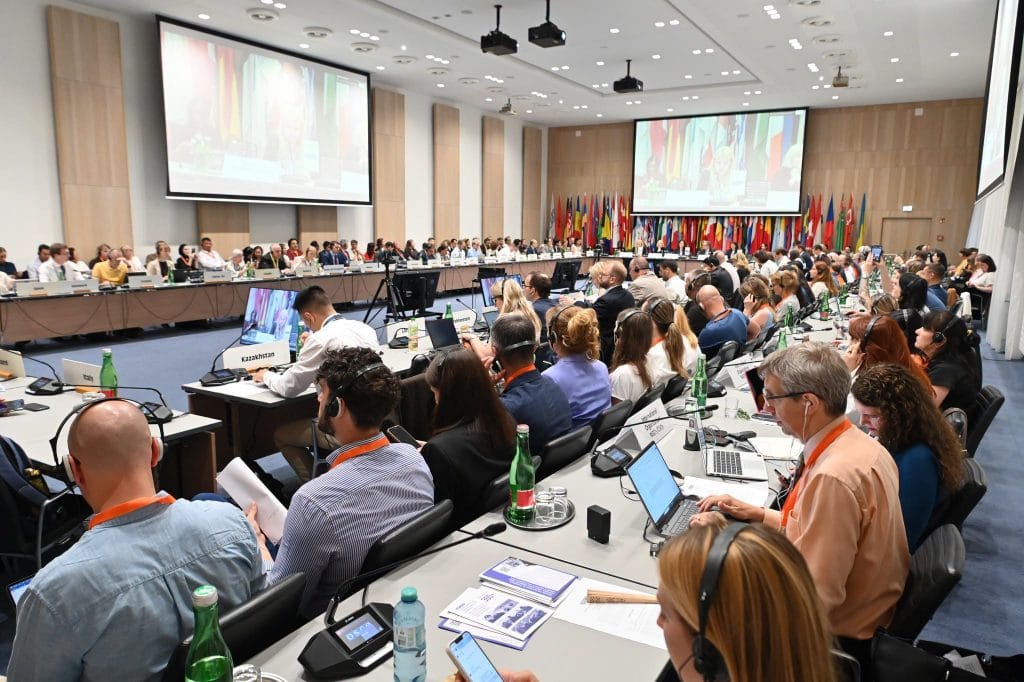
The discussions focused on three main areas: strengthening legal and procedural safeguards against torture and ill-treatment; preventing torture through independent oversight and monitoring of places of detention; and ensuring victims’ access to justice, rehabilitation, and compensation.
Particular emphasis was placed on the need to ensure effective safeguards from the very first stages of arrest and detention, including prompt access to legal counsel and medical care, the implementation of human rights-based interviewing practices, the strengthening of independent oversight of places of detention, and the effective investigation and prosecution of cases of torture and ill-treatment.
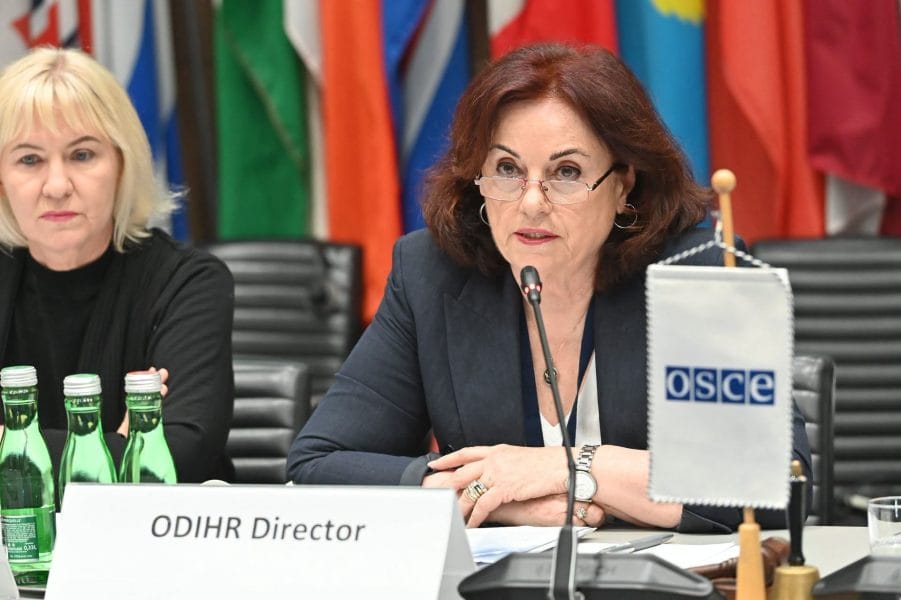
As emphasized by ODIHR Director Maria Telalian, the prohibition of torture is absolute and constitutes one of the most fundamental principles of international human rights law. This prohibition must be upheld not only in legislation but also in practice through strong institutions, effective accountability mechanisms, adequate training of the competent authorities, and close cooperation among States, international organizations, independent oversight mechanisms, and civil society.