
International Conference “Human Rights and Democratic Culture in Practice: Applications and Challenges”
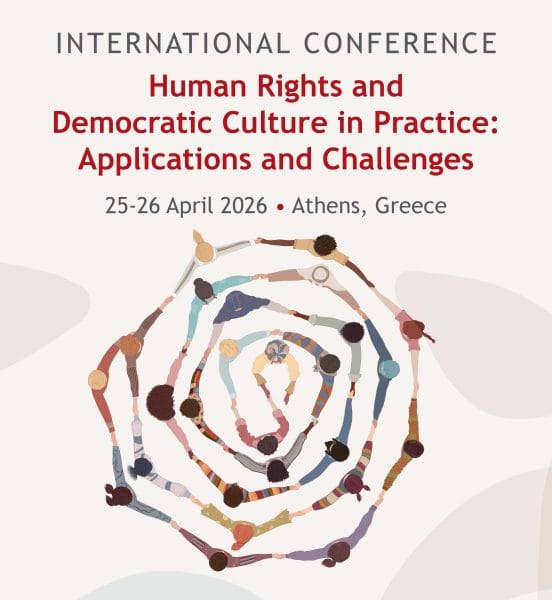
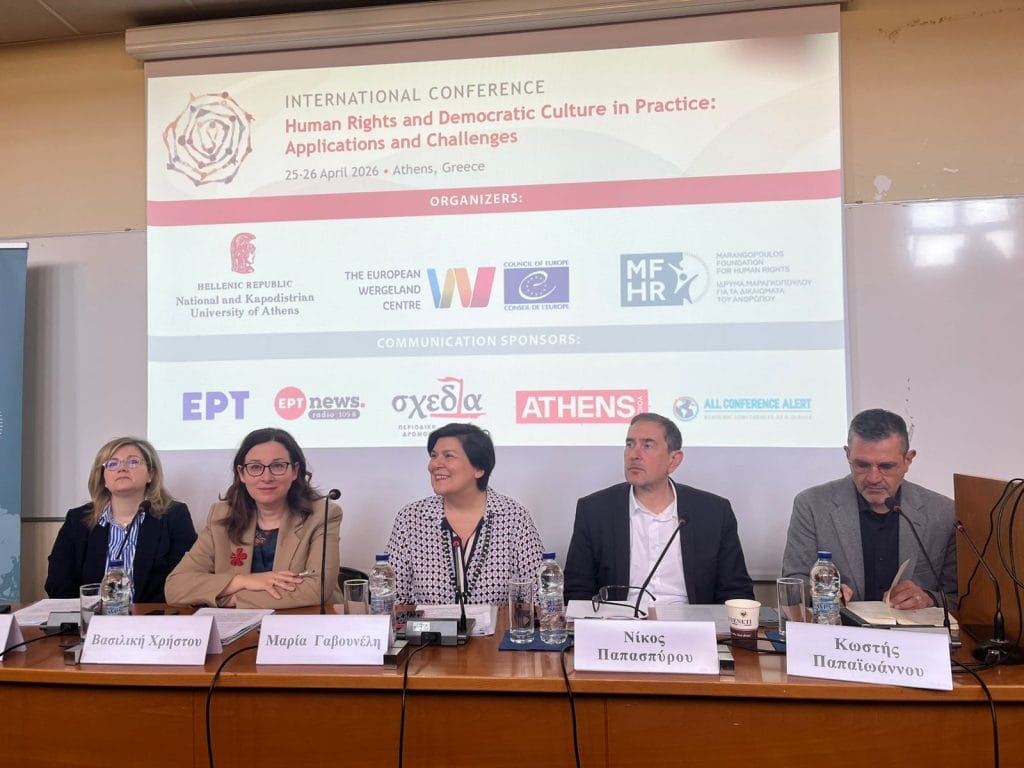
The international interdisciplinary conference organized by the Marangopoulos Foundation for Human Rights (MFHR), in cooperation with the Joint Master’s Programme “Identity, Education and Competences for Democratic Culture” of the National and Kapodistrian University of Athens (NKUA) and the European Wergeland Centre, was held with great success and received an excellent response from both the academic community and the wider public over the weekend of 25–26 April 2026.
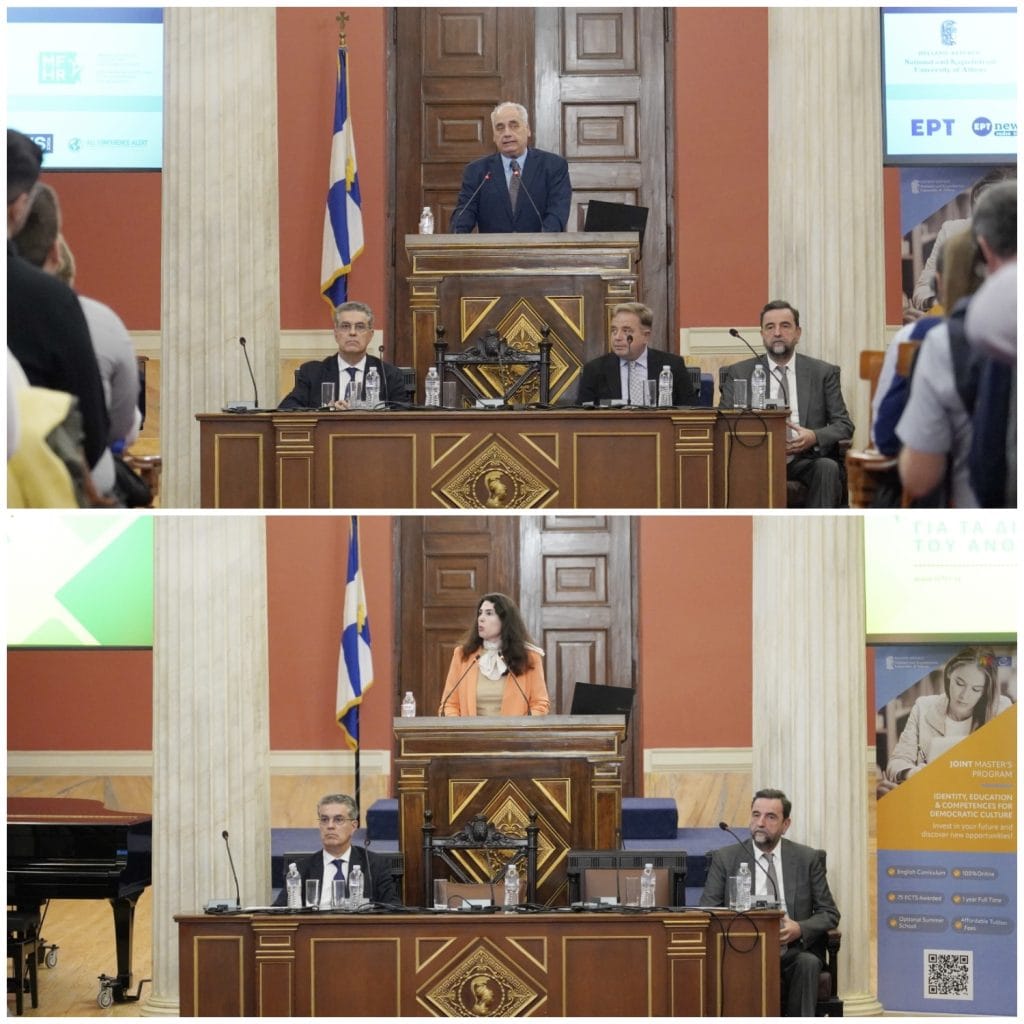
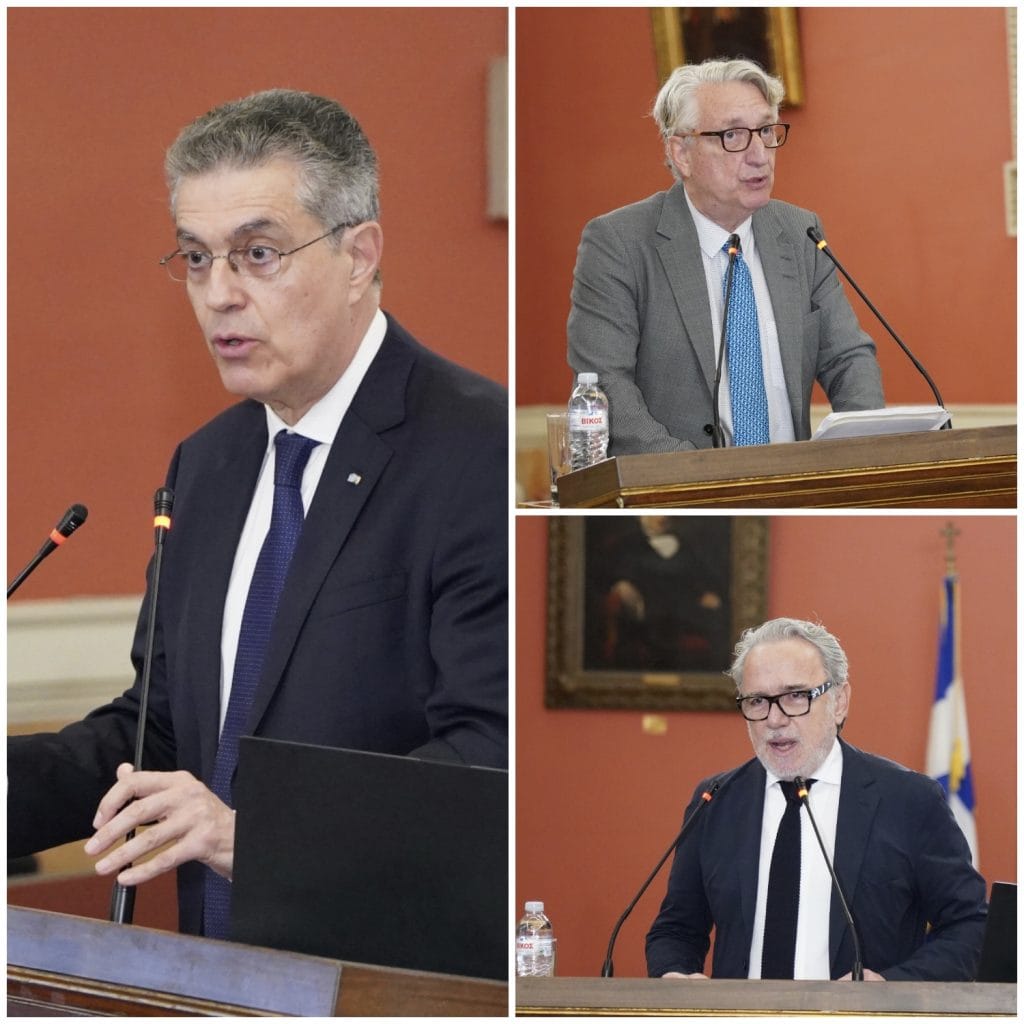
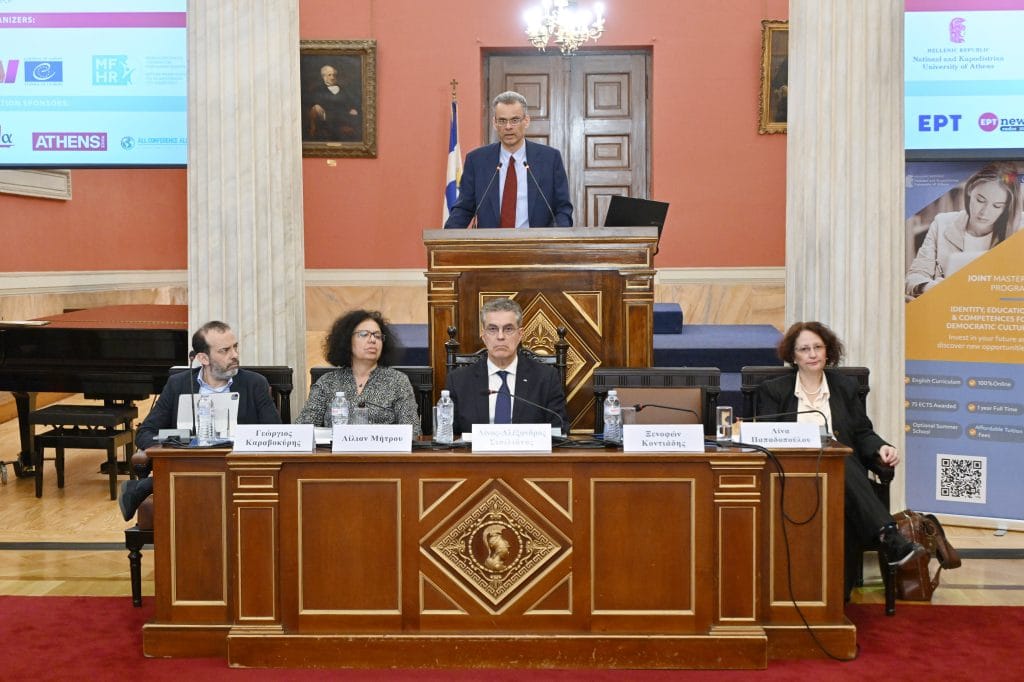
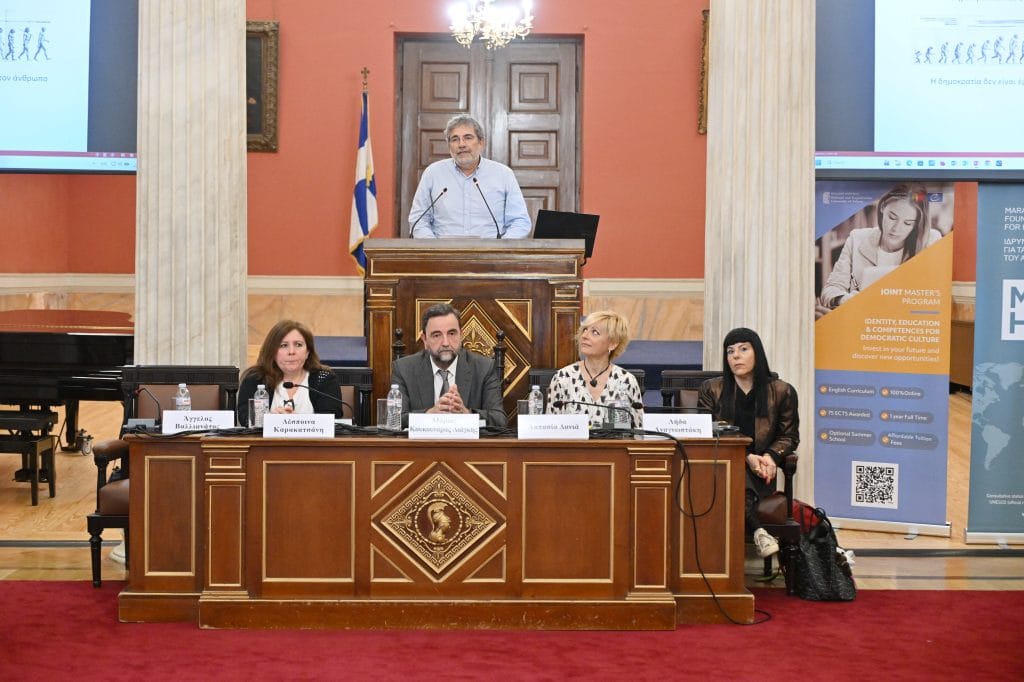
The opening session included the introductory address on behalf of the organizers by the President of MFHR, Professor Linos-Alexandre Sicilianos, greetings from the Deans of the Law School, Professor Konstantinos Christodoulou, and the School of Philosophy of NKUA, Professor Dimitris Drosos, as well as keynote speeches by the President of the Council of State, Mr. Michail Pikramenos, and Mr. Villano Qiriazi, Head of the Education Department of the Council of Europe.
The conference hosted more than 90 speakers from a large number of countries, highlighting the strongly international and multidimensional character of the initiative. The proceedings unfolded across three high-level thematic panels, thirteen (13) parallel paper sessions, and one poster panel. The conference themes reflected the breadth and complexity of contemporary challenges related to human rights and democratic culture.
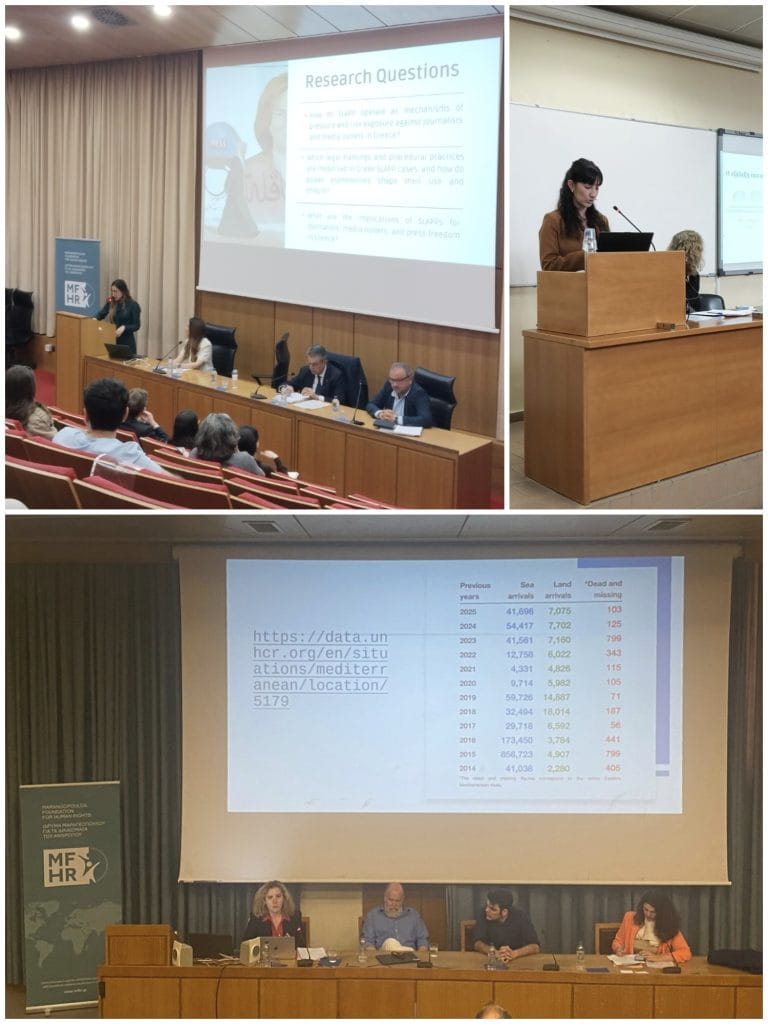
At the level of the rule of law and institutions, discussions focused on issues concerning democratic governance in the digital age, the fight against corruption, SLAPP lawsuits as instruments of political repression, and the limits of freedom of expression in the face of new forms of restriction. Particular attention was given to the threats facing the digital public sphere, including state surveillance and the rise of semi-authoritarian tendencies within European systems.
In the field of vulnerable groups and social justice, presentations addressed topics such as gender-based violence and legal-policy achievements in tackling it, the legal protection of refugees and unaccompanied minors, the risks of human trafficking, as well as femicide as a crime with racist characteristics. The concept and assessment of consent were also discussed within the framework of the European Convention on Human Rights and the Istanbul Convention.
Artificial intelligence and human rights constituted one of the most dynamic thematic axes of the conference. Discussions examined the ethics of artificial intelligence in light of international law, the new forms of “private power” emerging through algorithmic systems, as well as the possibilities of using technology to strengthen democratic competences in education.
Extensive discussion also focused on education as a field for cultivating democratic culture, with presentations covering issues from preschool to higher education, intercultural education, human rights education through literature, cinema, and history, as well as innovative pedagogical approaches for active citizenship.
We express our warmest thanks to all participants, media sponsors, and to the audience who followed the proceedings with great interest and engagement. The remarkable participation and the high quality of the presentations confirm that the promotion of human rights and democratic culture remains a vital scientific and social necessity.
You can find the conference program here.
For those who were unable to attend in person, the full video recording of the event is available below.
