
MFHR International conference “From Unravelling Commitments to Reinforcing Universality: Reaffirming International Human Rights Law amid Withdrawal and Backsliding”
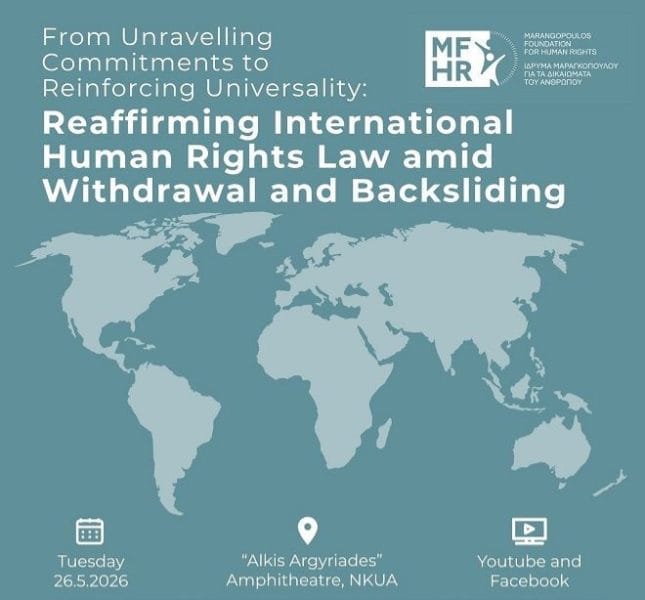
On Tuesday, 26 May 2026, the Marangopoulos Foundation for Human Rights (MFHR) successfully organized the international conference “From Unravelling Commitments to Reinforcing Universality: Reaffirming International Human Rights Law amid Withdrawal and Backsliding” at the “Alkis Argyriadis” Amphitheatre of the National and Kapodistrian University of Athens. The conference brought together distinguished speakers from academia and international institutions to examine the current state of international human rights law.
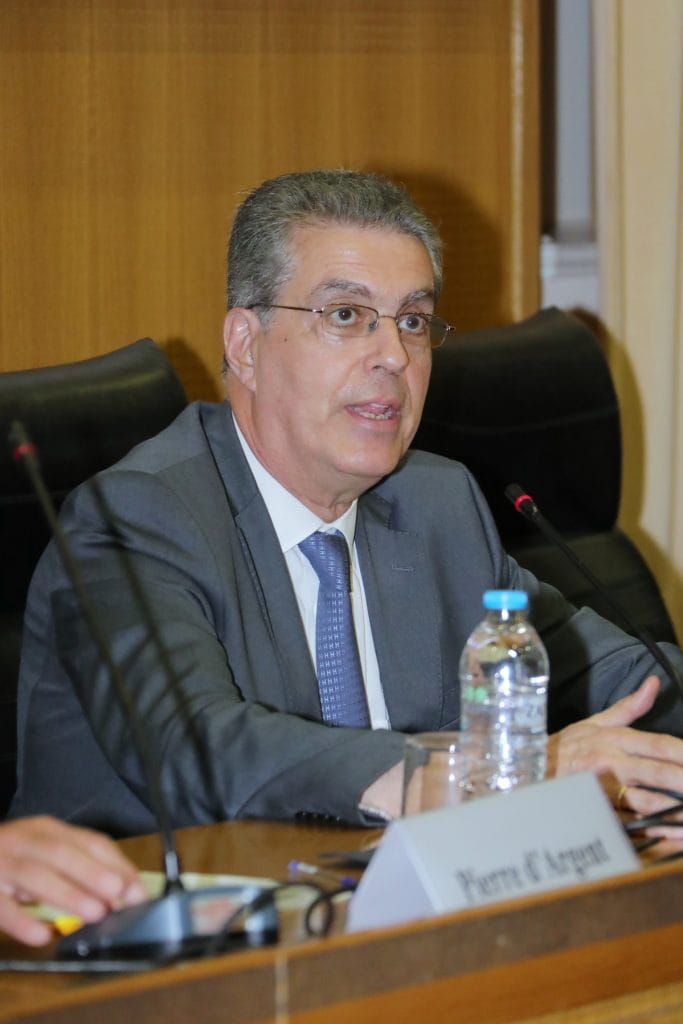
The opening address was delivered by the President of the MFHR, Professor Linos-Alexandros Sicilianos, who reflected on the growing challenges facing the international human rights system and underscored the importance of multilateral cooperation, constructive dialogue and collective commitment in reinforcing the universality of human rights within a rapidly changing international environment.
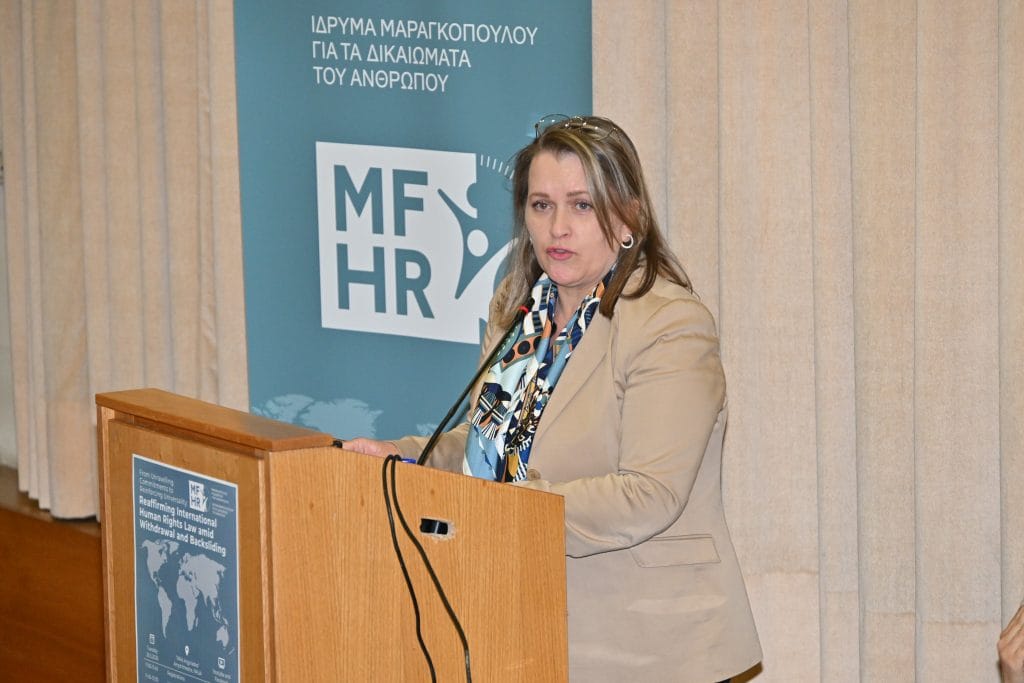
A highlight of the conference was the keynote address delivered during the second panel by the Vice-President of the ECtHR, Judge Ivana Jelić. Judge Jelić reflected on some of the contemporary challenges facing the Convention system, including evolving debates surrounding the interpretation and implementation of states’ obligations under the European Convention on Human Rights. Drawing on recent ECtHR jurisprudence, particularly in the fields of migration and asylum, she explored the manner in which considerations such as national security, public order and social cohesion are addressed within the Court’s case-law and broader public discourse. She further emphasised the importance of safeguarding the institutional credibility of the Convention system, ensuring methodological coherence, and maintaining public trust in the effective protection of human rights across Europe.
The conference was structured around three interconnected thematic panels, moving from the examination of withdrawal and institutional pressure within the international human rights system to future pathways for reinforcing universality, accountability and international cooperation.
The first panel, “From Commitment to Withdrawal — and Back to Engagement”, explored the rise of state withdrawal and disengagement from international human rights systems, focusing on the political and legal factors driving these trends. Through examples from regional human rights systems, speakers examined the impact of sovereignty concerns, disinformation and domestic political pressures on institutional legitimacy and public trust, while stressing the importance of resilience and renewed engagement.
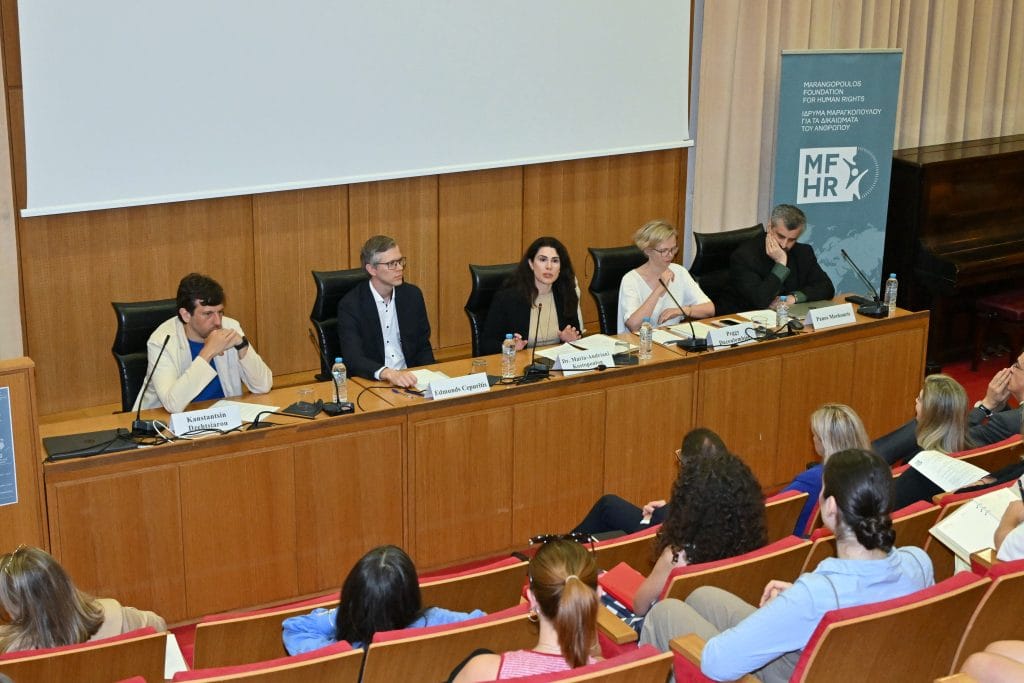
The second panel, “International Human Rights Bodies under Pressure”, addressed the growing pressure placed on international human rights courts and treaty bodies by states increasingly contesting their authority and interpretative approaches. Discussions focused on challenges to judicial independence, restrictions on human rights protection and the need to preserve the credibility, effectiveness and integrity of international human rights institutions.
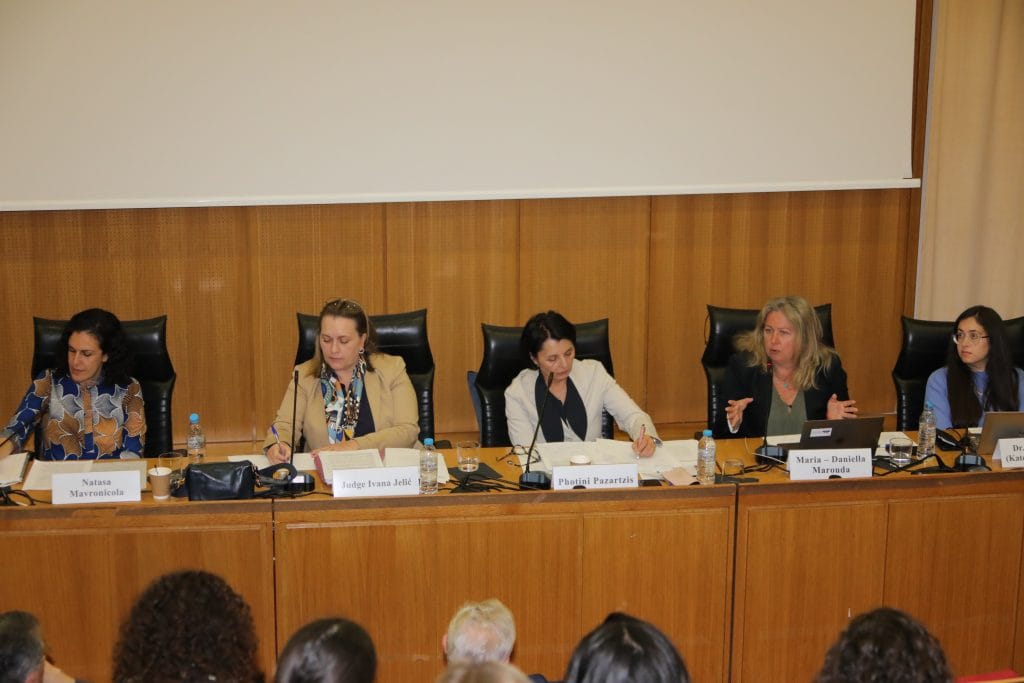
The final panel, “Looking Forward: Reinforcing Universality”, adopted a forward-looking perspective on the future of international human rights law. Discussions highlighted the role of public interest litigation, advisory opinions, international cooperation as well as the need for stronger coordination between institutions in reinforcing universality. It also emphasized the importance of Global South perspectives and effective domestic implementation of international human rights standards.
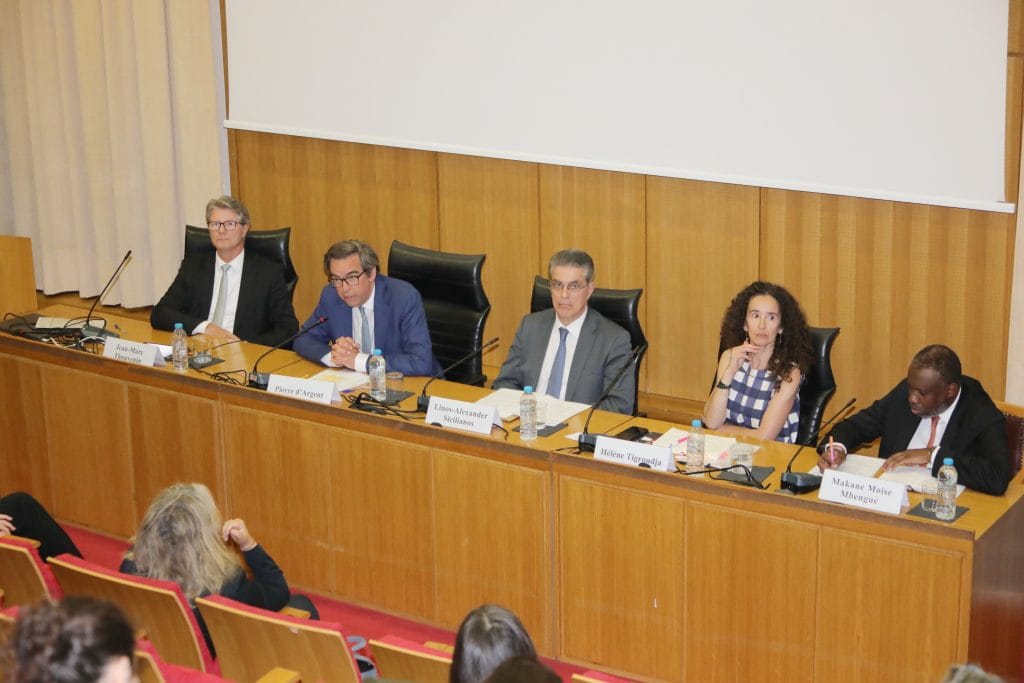
The MFHR extends its warm thanks to all speakers, moderators and participants who contributed to a highly engaging and dynamic academic discussion, as well as to the National and Kapodistrian University of Athens for hosting the event.